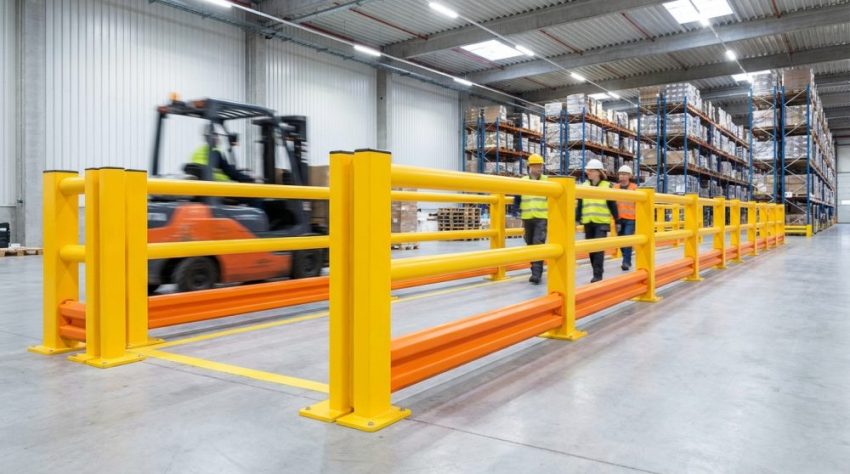
Enhancing Warehouse Safety: The Ultimate Guide to Polymer Barrier Systems
In the high-stakes, fast-paced world of logistics and warehousing, safety isn’t just a box to check—it is the backbone of efficiency. Forklifts zip around corners, pallet jacks carry heavy loads, and pedestrians navigate through the hustle. In this environment, collisions are not a matter of “if,” but “when.”
For decades, steel guardrails were the gold standard for protection. However, a material revolution has taken place. Enter Polymer Barrier Systems. These flexible, high-strength solutions are changing the way facility managers approach impact protection. In this guide, we will explore why polymer is outpacing steel and how it can revolutionize safety in your warehouse.
The Problem with Traditional Steel
To understand the value of polymer, we must first look at the limitations of steel. While steel is strong, it is rigid. When a forklift strikes a steel barrier, the energy has nowhere to go. The result?
- Severe Damage to the Barrier: Steel dents, buckles, and crumples. Once hit, it usually needs to be replaced.
- Floor Damage: This is the hidden cost of steel. Because the barrier doesn’t flex, the shock of the impact travels down into the floor anchors, often ripping up the concrete foundation.
- Vehicle Damage: The “unforgiving” nature of steel causes significant damage to the forklifts striking it.
What Are Polymer Barrier Systems?
Polymer barriers are engineered using advanced synthetic materials designed with “memory.” Unlike rigid steel, polymer systems are slightly flexible. When an impact occurs, the material absorbs the kinetic energy, deflects, and then returns to its original shape.
Think of it as a shock absorber rather than a brick wall. This flexibility is the game-changer for modern warehouse safety.
Key Benefits of Polymer Systems
1. Superior Impact Absorption
The primary job of a barrier is protection. Polymer barriers disperse impact energy through the material rather than transferring it directly to the floor fixings. This prevents the “crumple zone” effect seen in steel and keeps the barrier intact for multiple impacts.
2. Reduced Maintenance Costs
Steel barriers rust, scratch, and require constant repainting to maintain visibility. Polymer barriers are typically colored all the way through (usually high-visibility yellow). They do not rust, they resist chemical corrosion, and scratches are barely noticeable. This creates a “fit and forget” solution.
3. Preserving Your Concrete Floors
Repairing concrete floors is expensive and disruptive. Because polymer barriers flex upon impact, the sheer force applied to the floor anchors is significantly reduced. This saves your facility from the costly downtime associated with concrete repair.
4. High Visibility
Safety starts with being seen. Polymer barriers are manufactured in vibrant, UV-resistant colors that stand out in dimly lit warehouse environments, clearly defining traffic routes and hazard zones.
Where to Install Polymer Barriers
A comprehensive safety plan involves strategic placement. Here are the critical zones where polymer systems yield the highest ROI:
- Pedestrian Walkways: Segregate human traffic from mobile machinery to prevent fatal accidents.
- Racking End Protectors: Rack ends are the most vulnerable part of your storage system. A polymer barrier here can prevent a catastrophic rack collapse.
- Doorway Protection: High-traffic doorways are magnets for collisions. Bollards or goal-post barriers protect the infrastructure.
- Column Guards: Structural columns are vital to the building’s integrity. Polymer wraps or guards cushion these immovable objects.
Steel vs. Polymer: The Verdict
While steel may have a lower upfront purchase price, the Total Cost of Ownership (TCO) heavily favors polymer. When you factor in the cost of replacing bent steel rails, repairing cracked concrete floors, and repainting rusty metal, polymer systems often pay for themselves after just one or two impacts.
Conclusion
Upgrading to a polymer barrier system is more than a purchase; it is an investment in your facility’s longevity and your employees’ well-being. By choosing a system that absorbs energy rather than fighting against it, you protect your people, your equipment, and your infrastructure.
Ready to transform your warehouse safety culture? Assess your current hazards today and consider making the switch to the resilient, low-maintenance power of polymer.